
Wild Care for people and nature +977 9766383035 | ✉️ info@wildcare.org.np

Project Overview
Trijuga Forest in Udayapur is an important refuge for sloth bears in eastern Nepal’s Churia Hills, particularly for populations living outside protected areas. Wild Care’s earlier research in the landscape confirmed the presence of sloth bears but also revealed high human disturbance, human–bear conflict, patchy distribution, low bear detection, and evidence of wildlife hunting—raising concerns for the long-term survival of this population.
This research focused on turning scientific knowledge into community-led conservation action. The project worked with students, local communities, Community Forest User Groups (CFUGs), and local stakeholders to improve understanding of sloth bears, promote safer human–bear coexistence, strengthen consideration of wildlife in community forest management, and build local skills for monitoring sloth bears and their habitat.
Through education, community engagement, practical training, and field-based monitoring, the project helped strengthen local awareness and stewardship while creating a foundation for continued conservation of sloth bears in the Trijuga landscape.
Objectives
- Conduct extensive awareness campaigns in local communities and schools to promote sloth bear conservation and human bear conflict mitigation.
- Sensitize local level decision makers on the importance of incorporating sloth bear ecology and threats into community forest management guidelines.
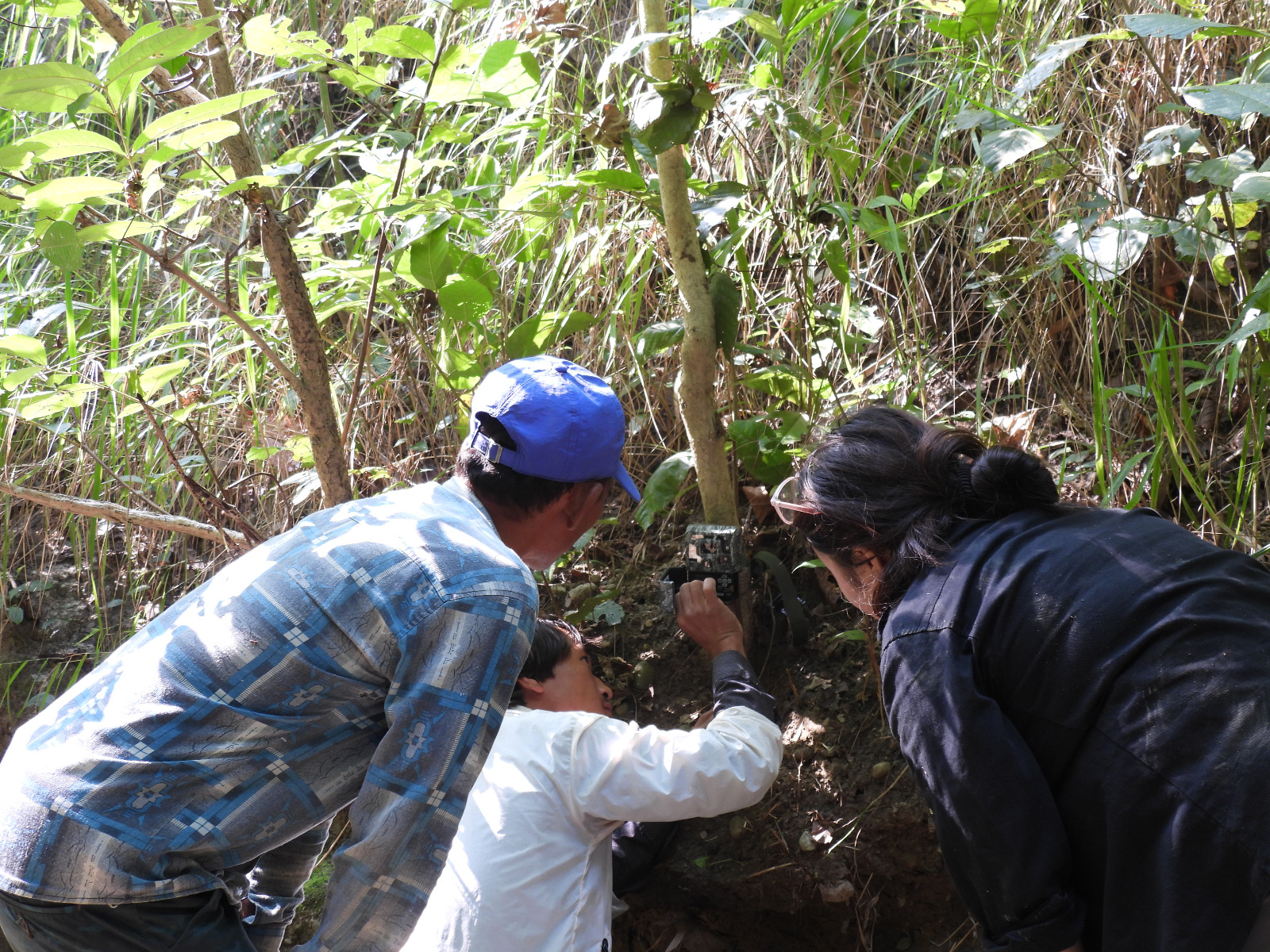
- Empower community members to monitor sloth bears through practical training and community led data collection.

Project Impact
-
816
Students reached across 8 schools
-
168
Community members engaged through 6 outreach events
-
10
Community Forest User Groups engaged through 3 workshops and training
-
4
Local people trained for community-led monitoring
Project Gallery




The project is financially supported by Bears in Mind.


Lead investigator
Manoj Pokharel
