Wild Care for people and nature +977 9766383035 | ✉️ info@wildcare.org.np

Project Overview
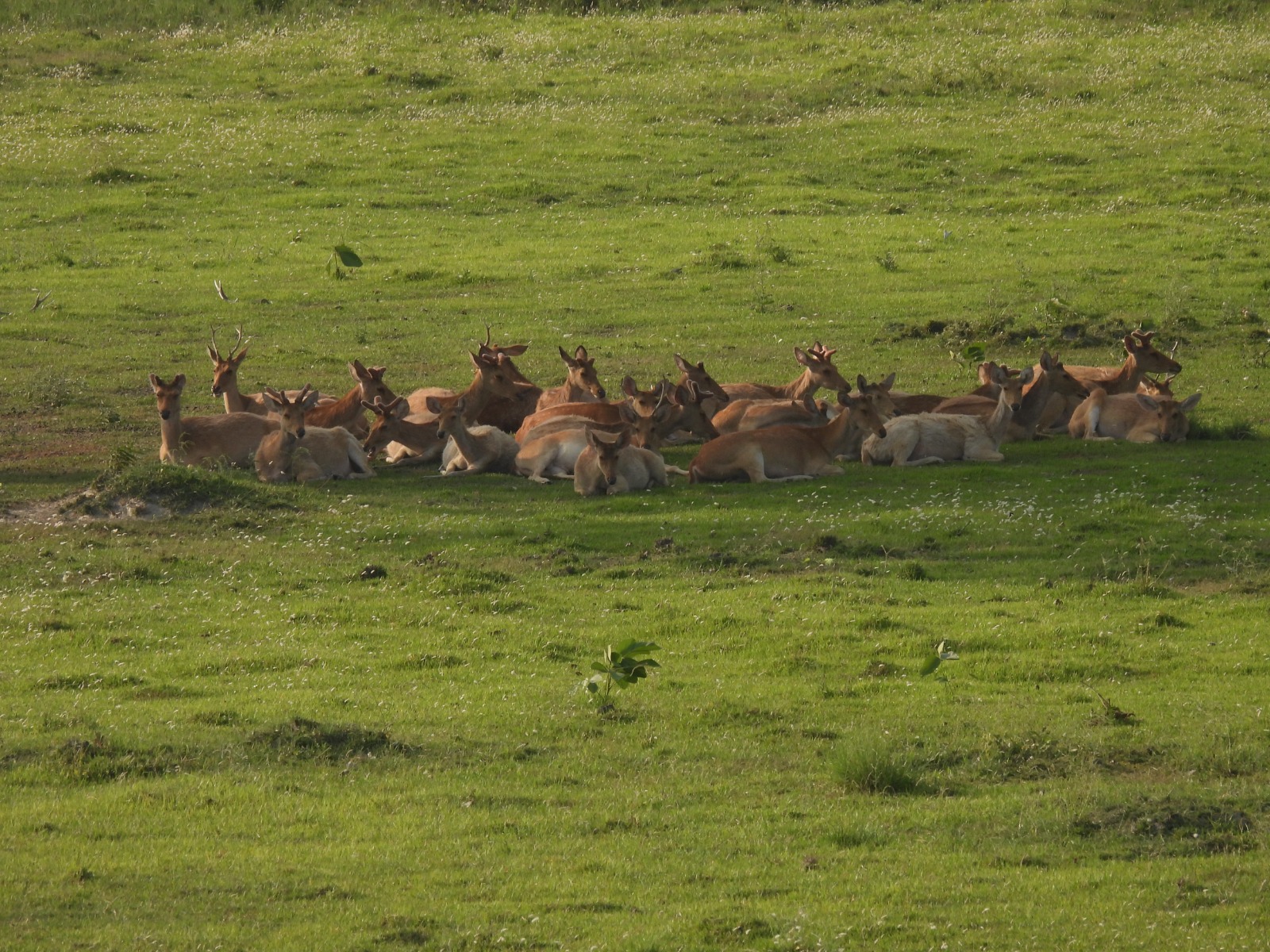
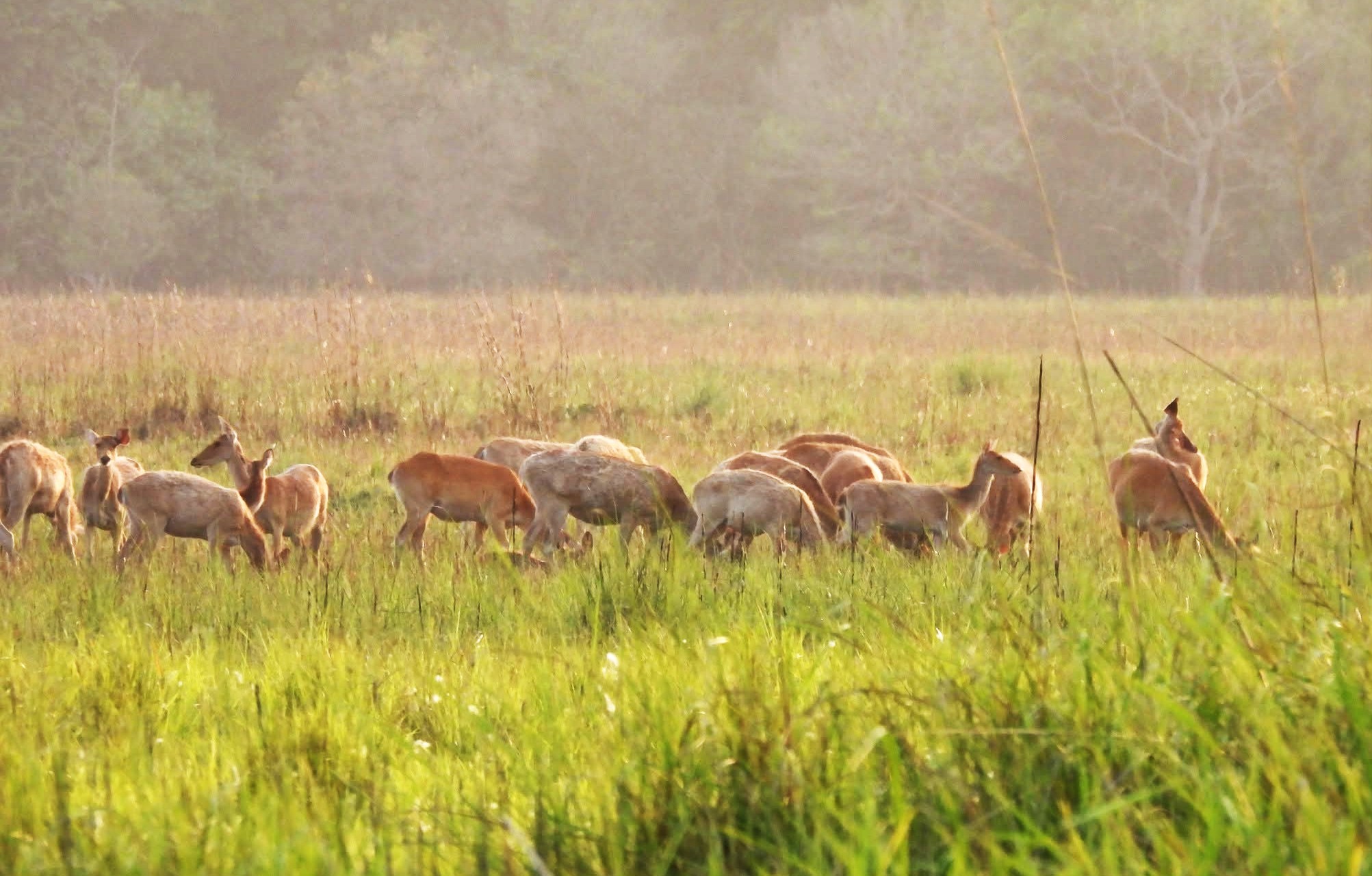
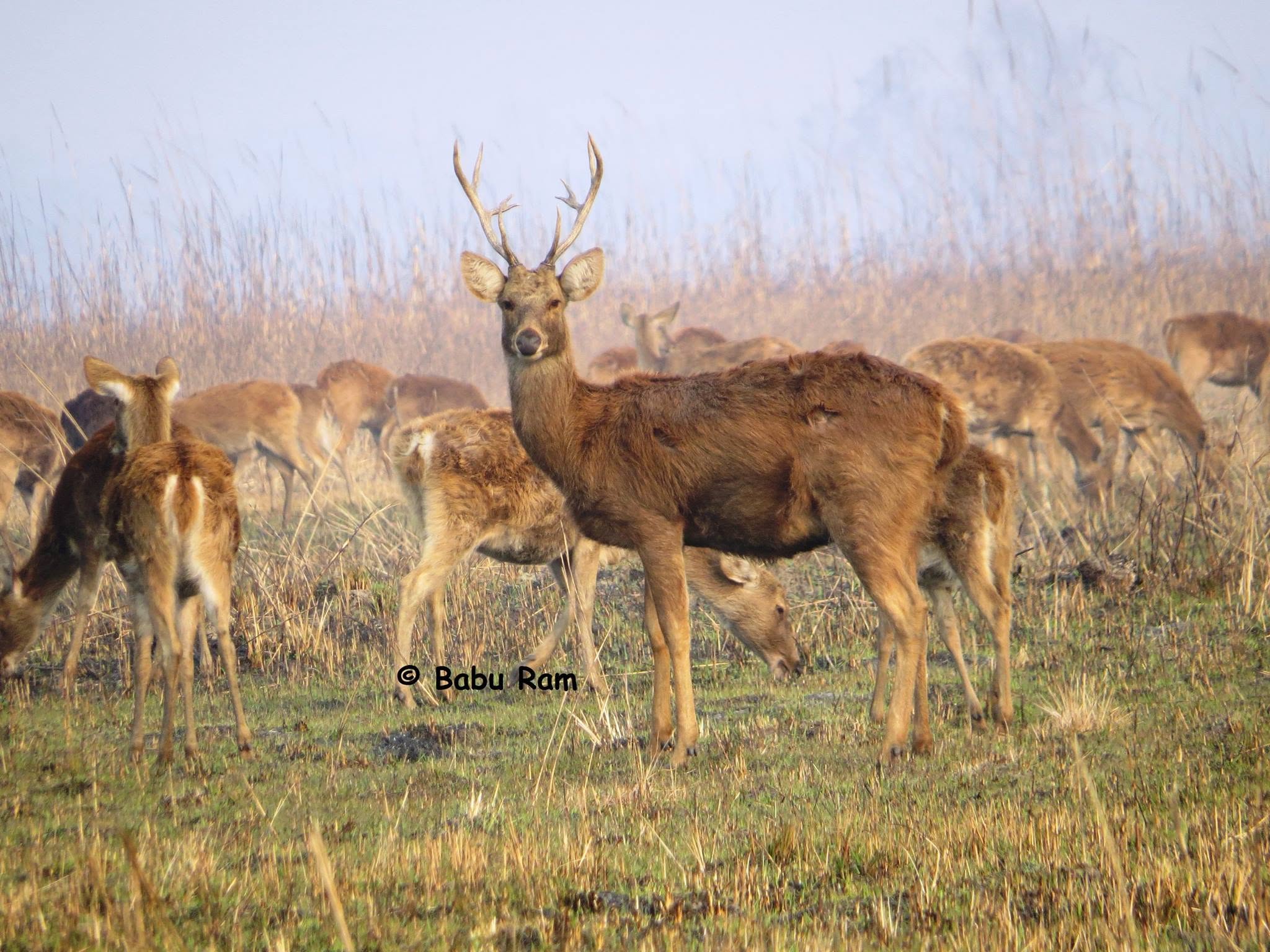
The Barasingha (Rucervus duvaucelii), also known as the Swamp Deer, is a habitat-specialized grassland herbivore and an important component of Nepal’s Terai grassland and wetland ecosystems. Once widely distributed across the lowland Terai, its range in Nepal has declined considerably, and the species is now restricted to small populations in Shuklaphanta and Bardia National Parks.
Barasingha also plays an important ecological role as a major prey species for large carnivores and through its influence on grassland vegetation through grazing. However, the species continues to face threats from habitat degradation, livestock grazing, poaching, food shortages, disease, and increasing human disturbance.
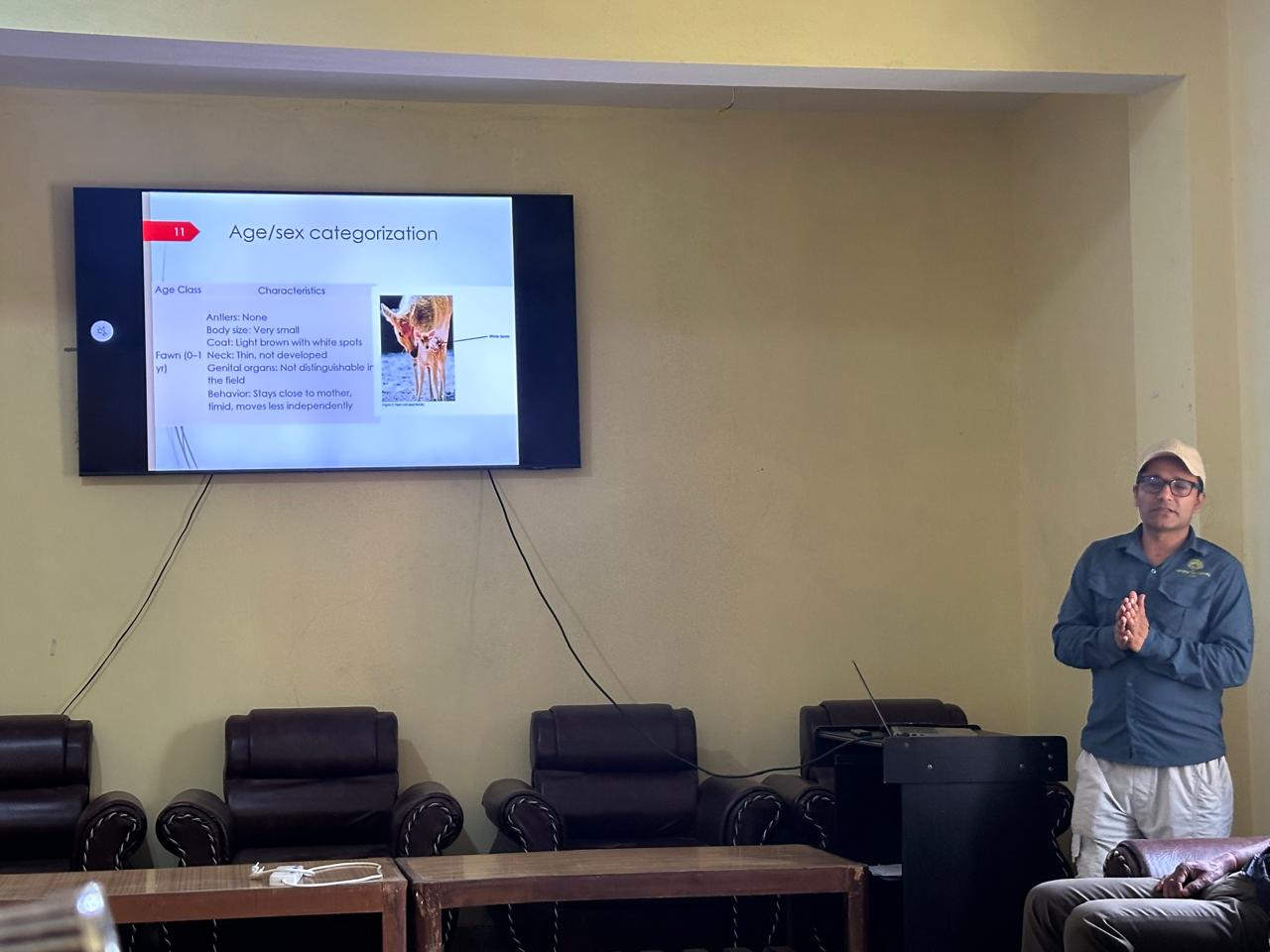
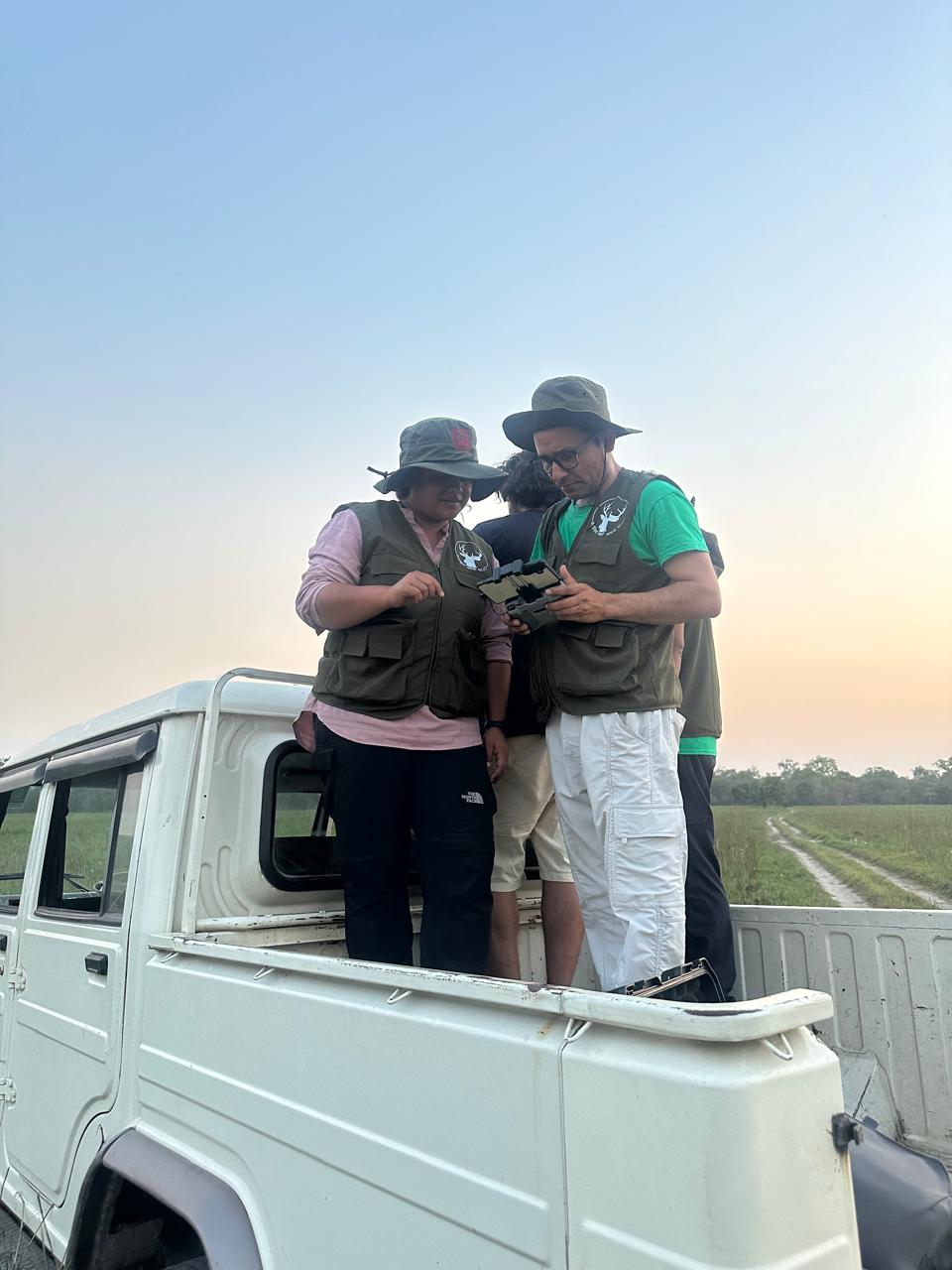
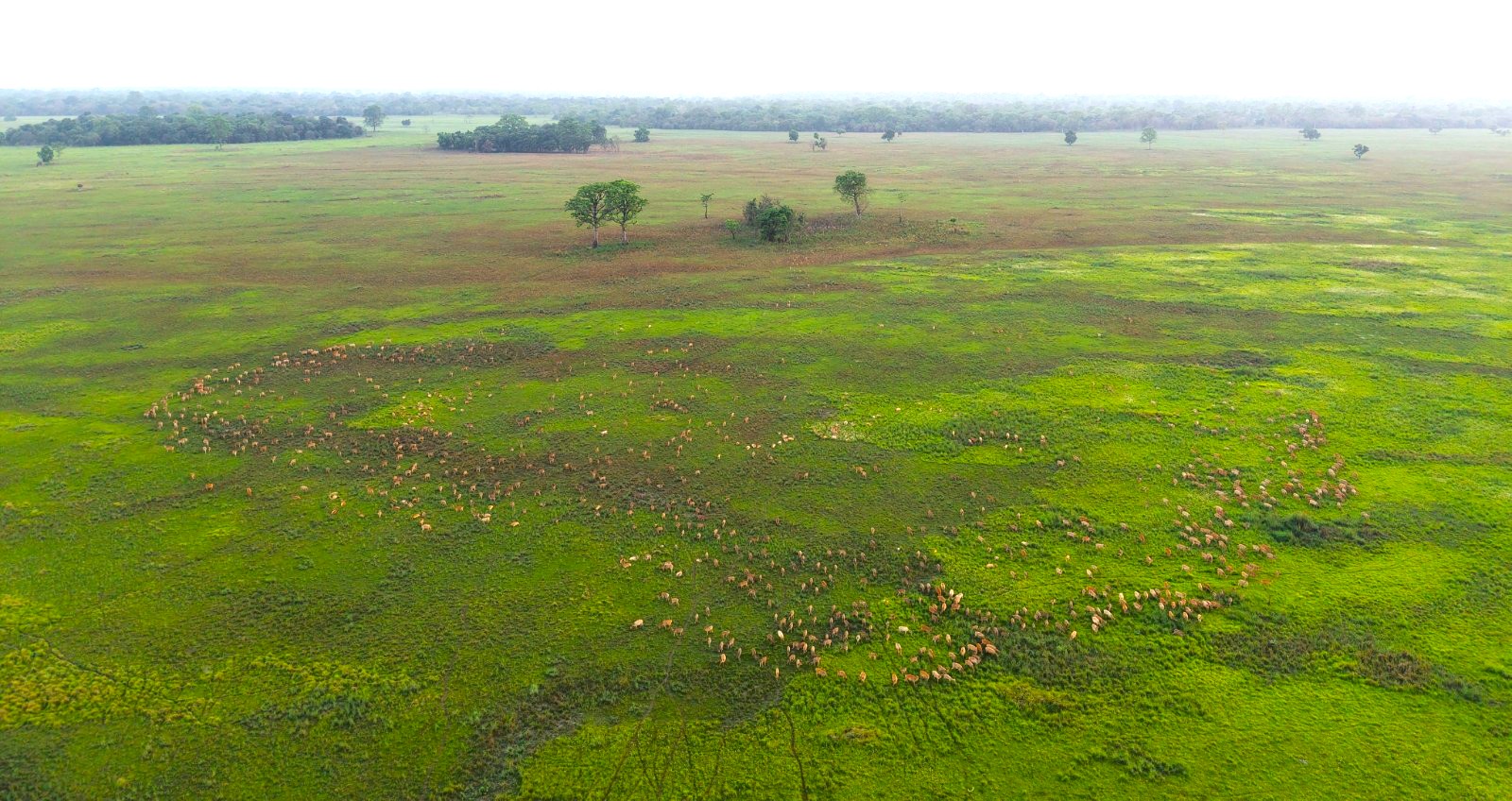
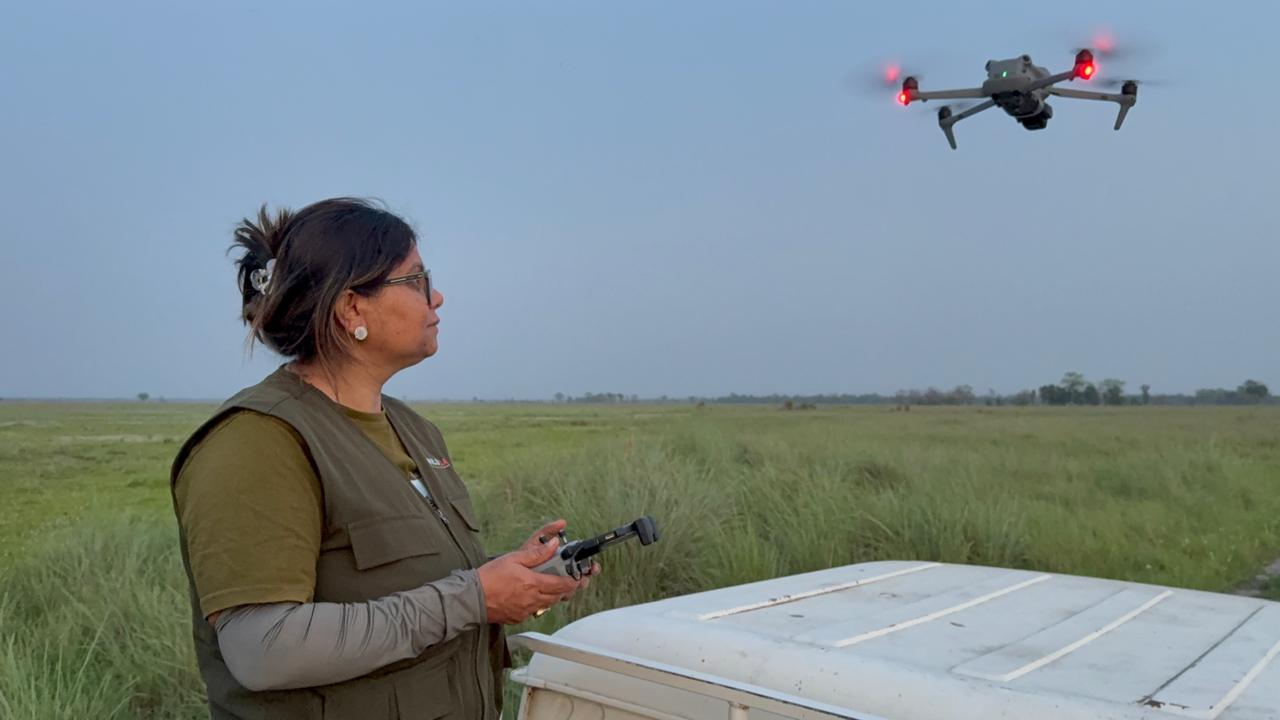
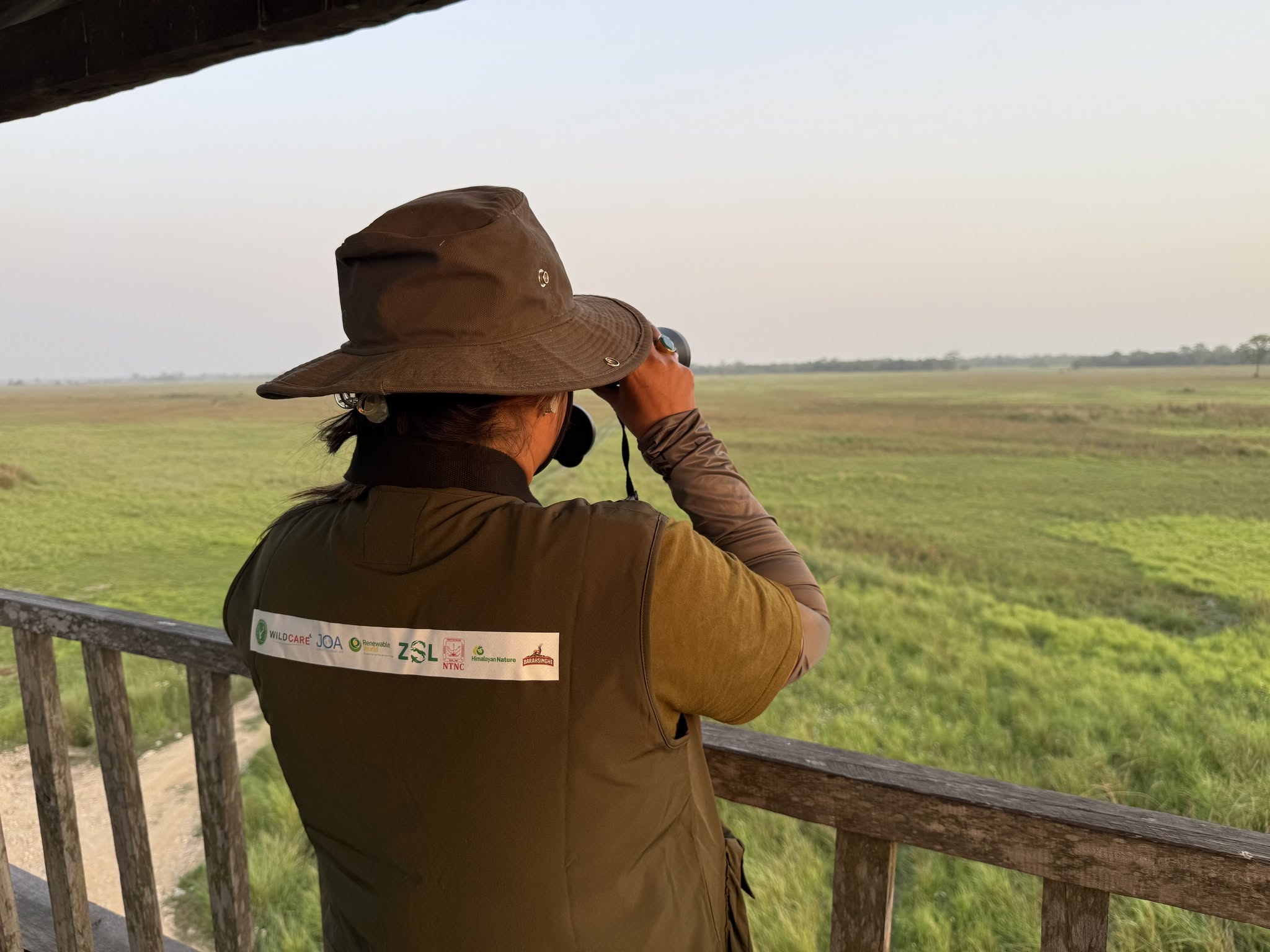
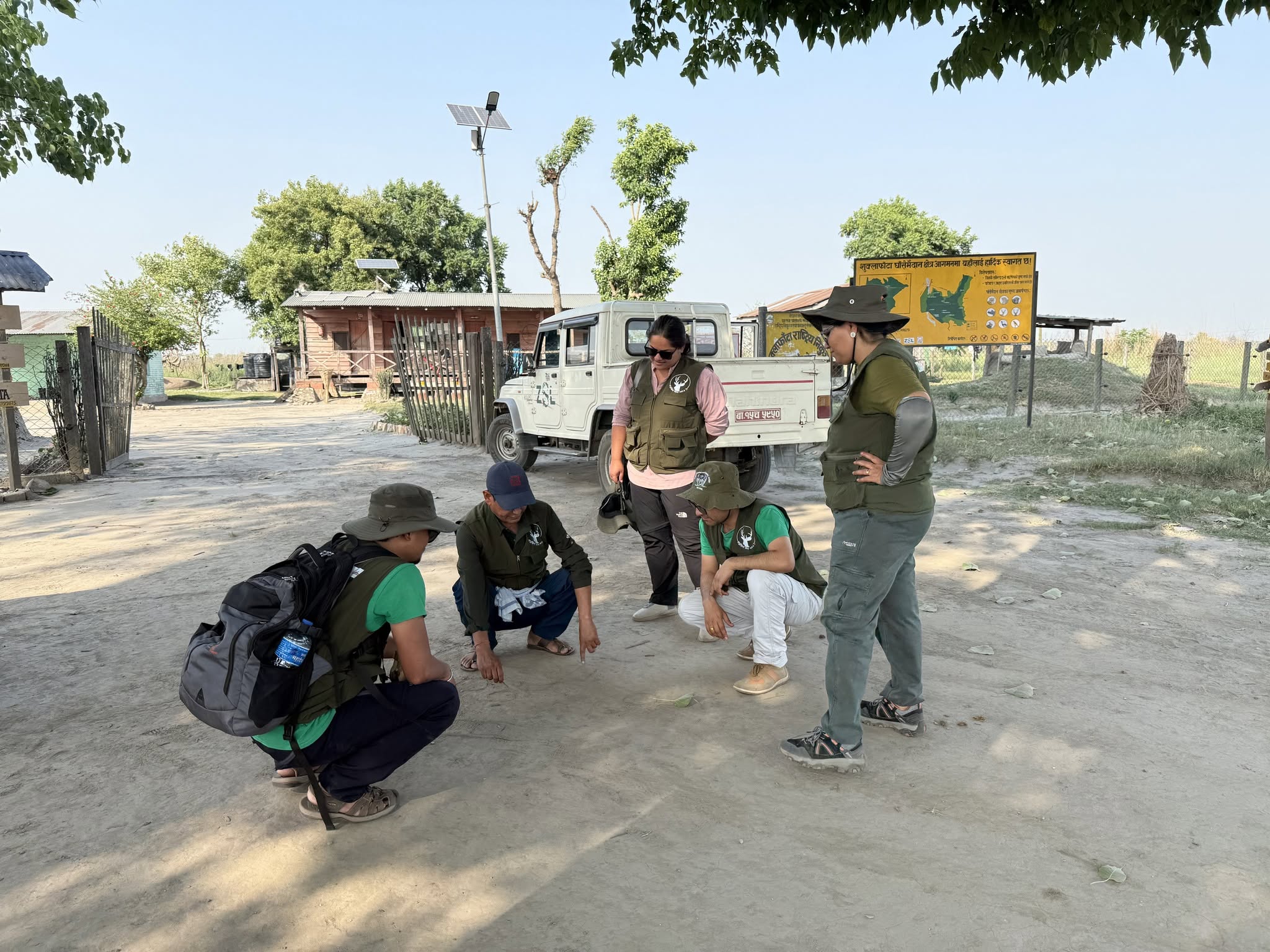
The project focuses on strengthening knowledge and conservation planning through regular population monitoring, including support for the annual Barasingha population census in Shuklaphanta National Park, and assessing the feasibility of Barasingha conservation in Chitwan National Park, a historical range of the species.
Objectives
Our long-term objective is to support for conservation of Barasingha in Nepal through regular and sustained conservation actions. This project will contribute in conservation of Barasingha in Nepal through scientific research and educational outreach programs.
Key Activities
- Contribute in Population Census of Barasingha
- Feasibility Study for Barasingha Conservation in Chitwan National Park