Wild Care for people and nature +977 9766383035 | ✉️ info@wildcare.org.np

Project Overview
Human-wildlife conflict (HWC) is a growing global challenge, driven by rapid land-use transformation and climate change. As human populations expand and convert natural habitats for agriculture, infrastructure, and urban development, wildlife is increasingly forced into human-dominated landscapes, often leading to conflict.
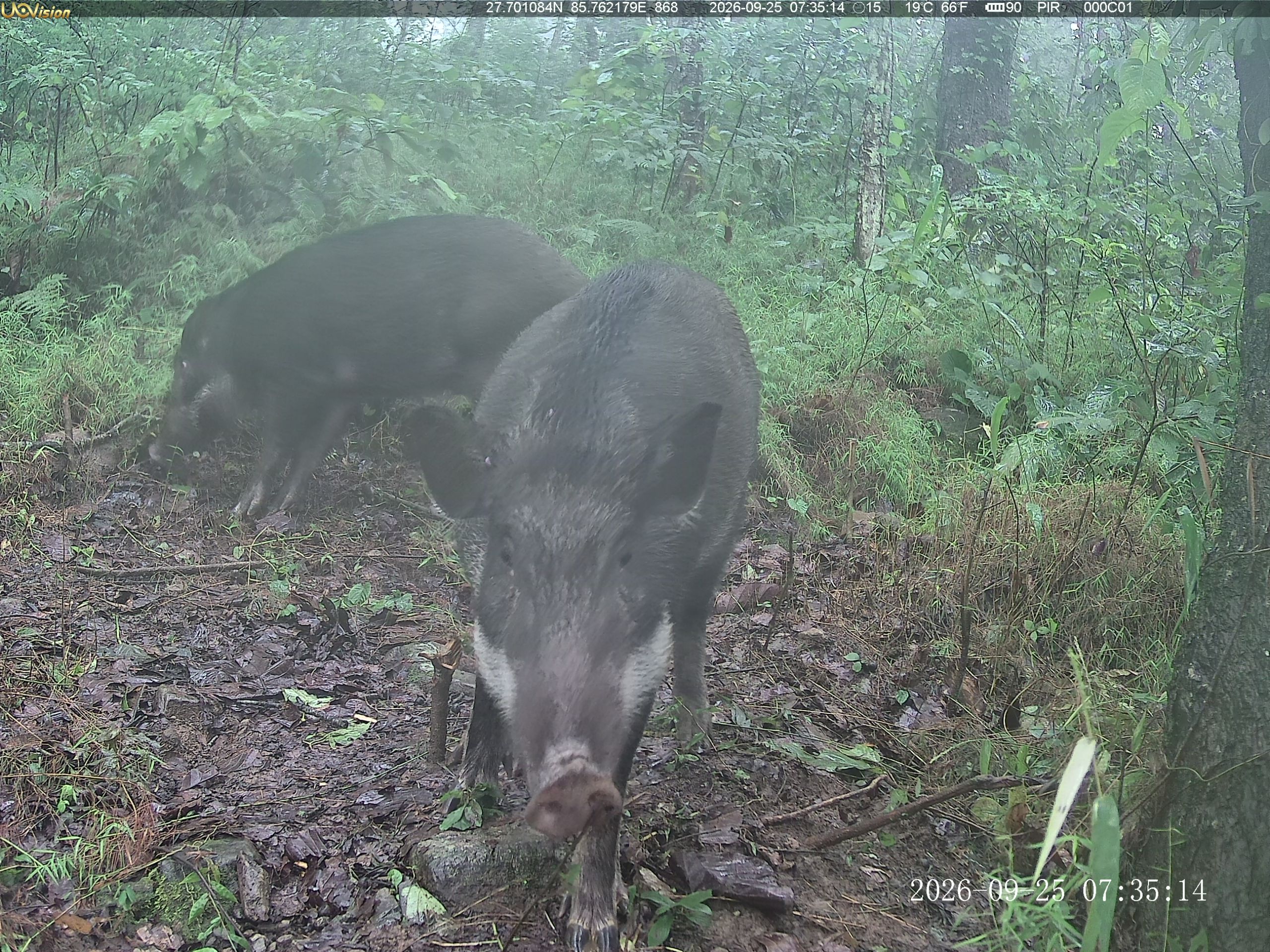
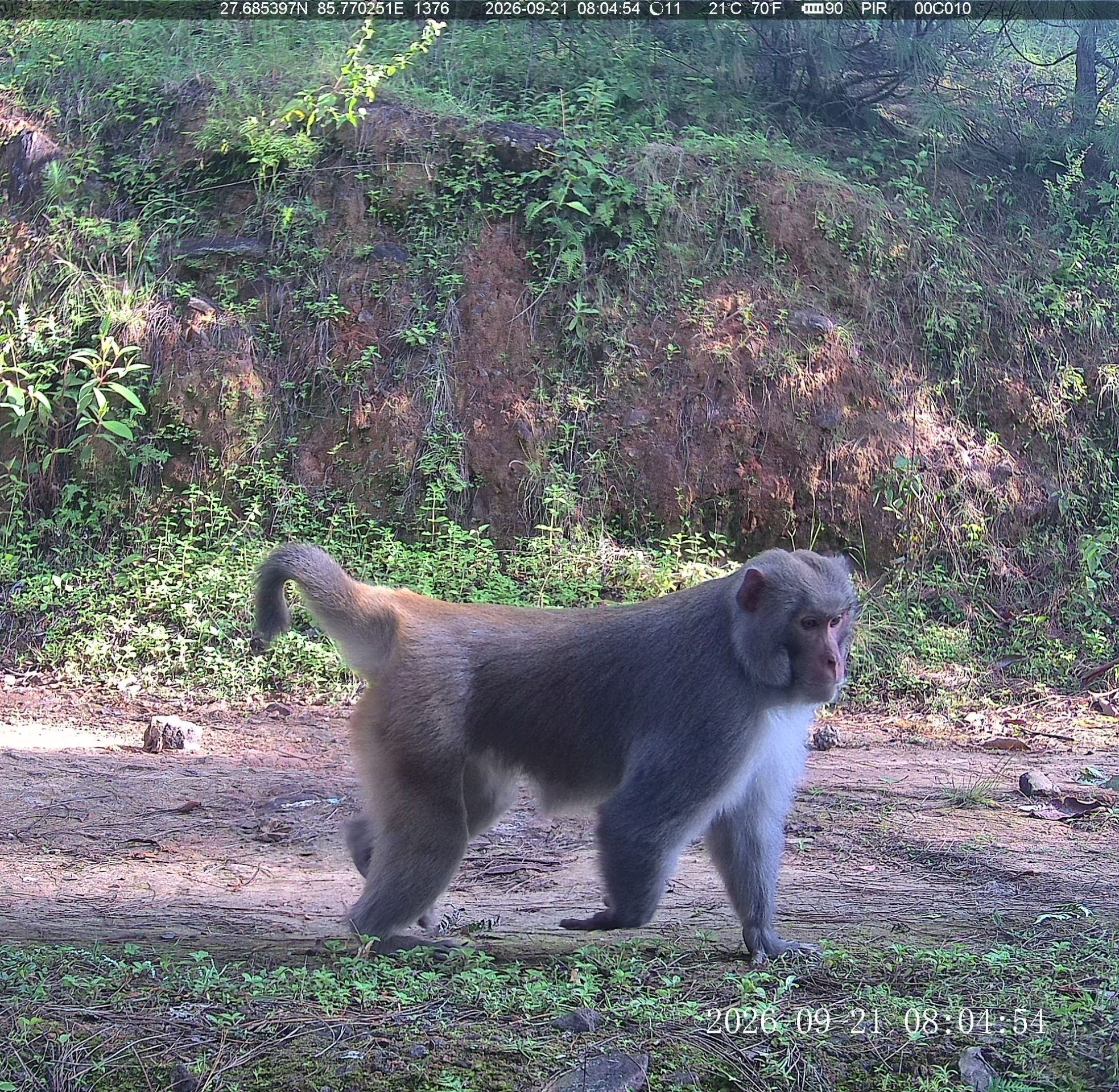
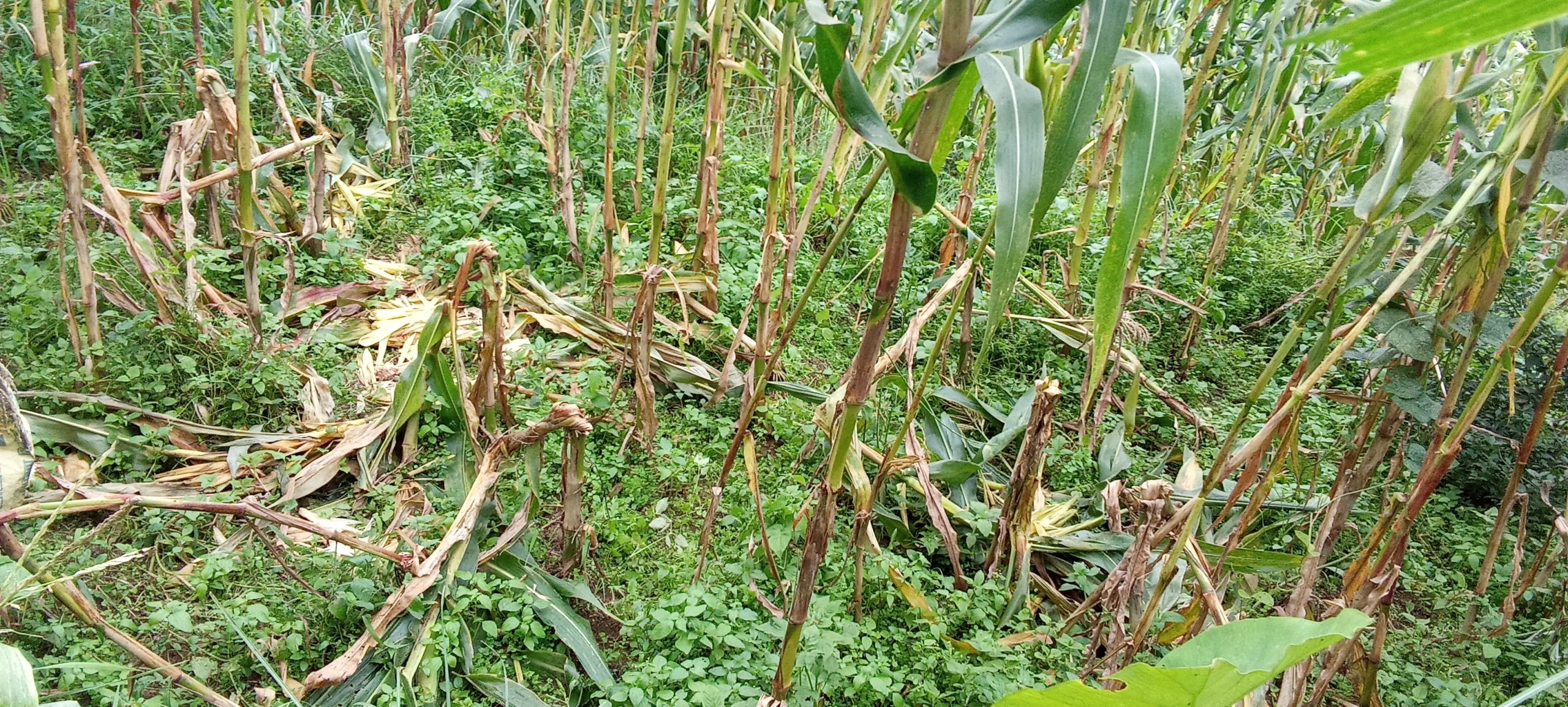
Habitat generalist species, such as the rhesus macaque (Macaca mulatta) and wild boar (Sus scrofa), are also adapted to human-modified landscapes. In Nepal, rapid changes in land cover, including forest regeneration, forest loss and farmland abandonment, together with changing socio-economic conditions, have allowed these species to expand into new areas. This expansion has increased interactions with people, particularly crop damage and conflict in rural and peri-urban areas of the mid-hills.
These conflicts affect both local livelihoods and wildlife, which may face retaliation and human-induced mortality. However, the factors driving the range expansion of these species and how their populations respond to changing landscapes are still not well understood.
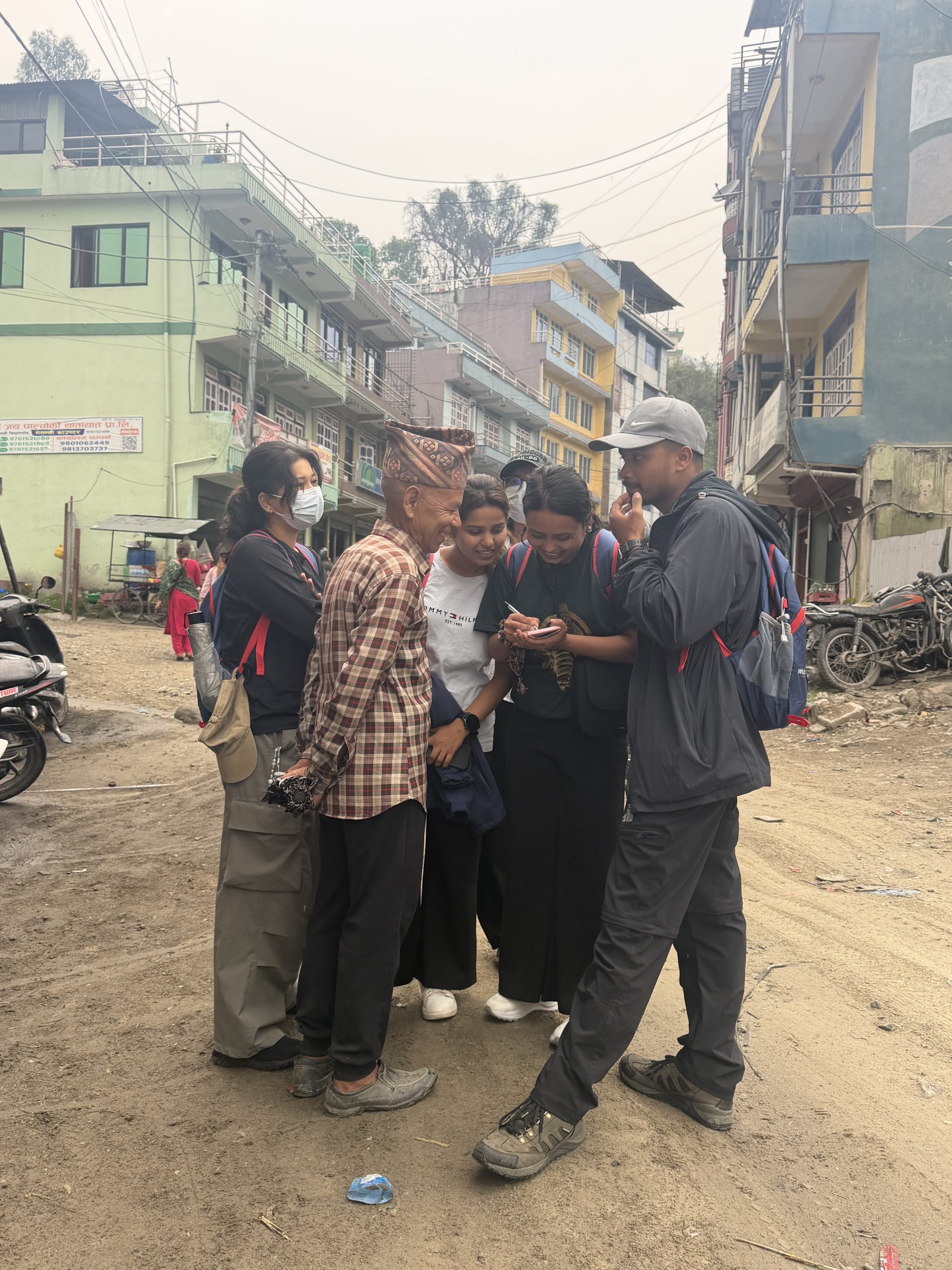
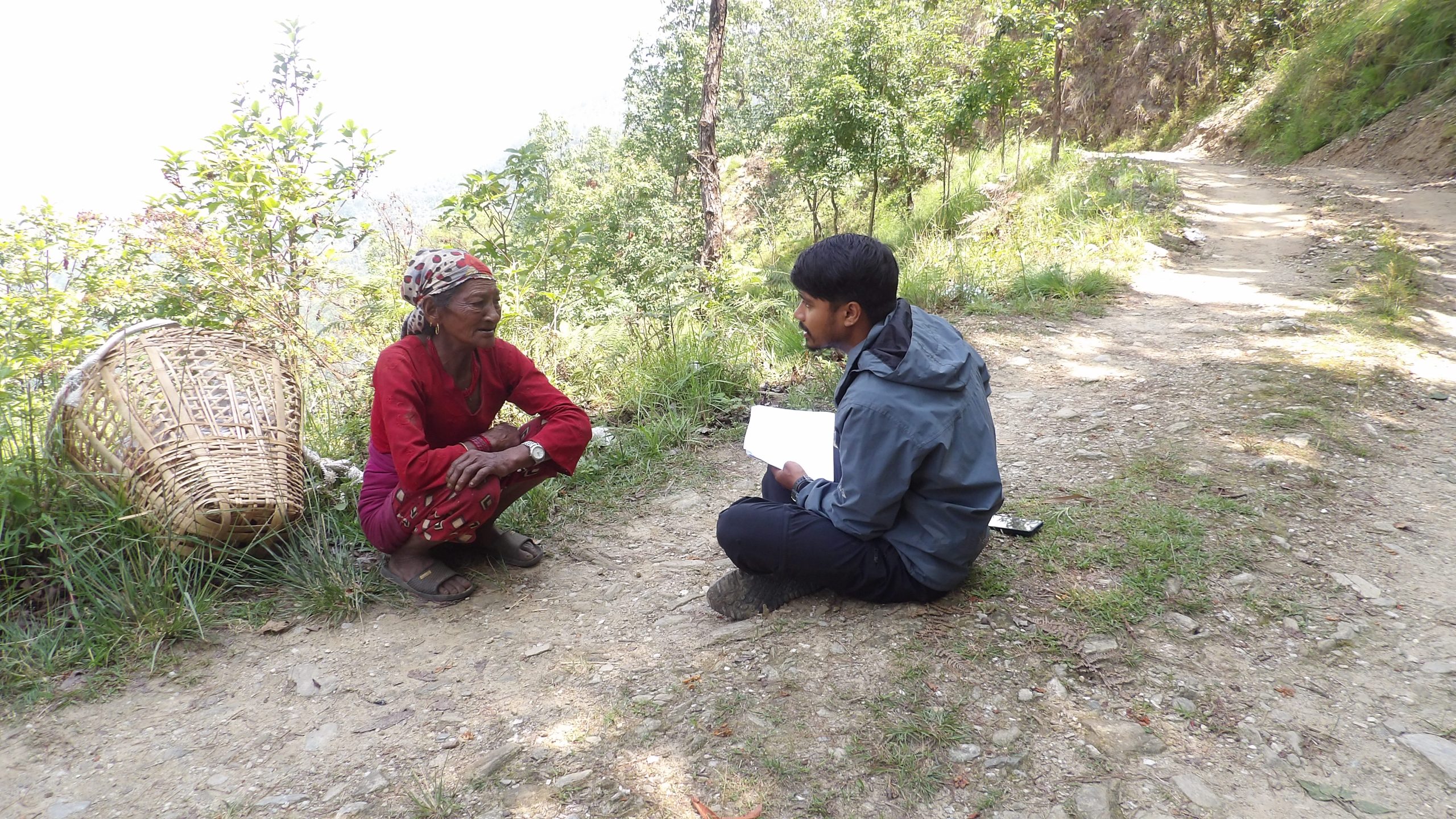
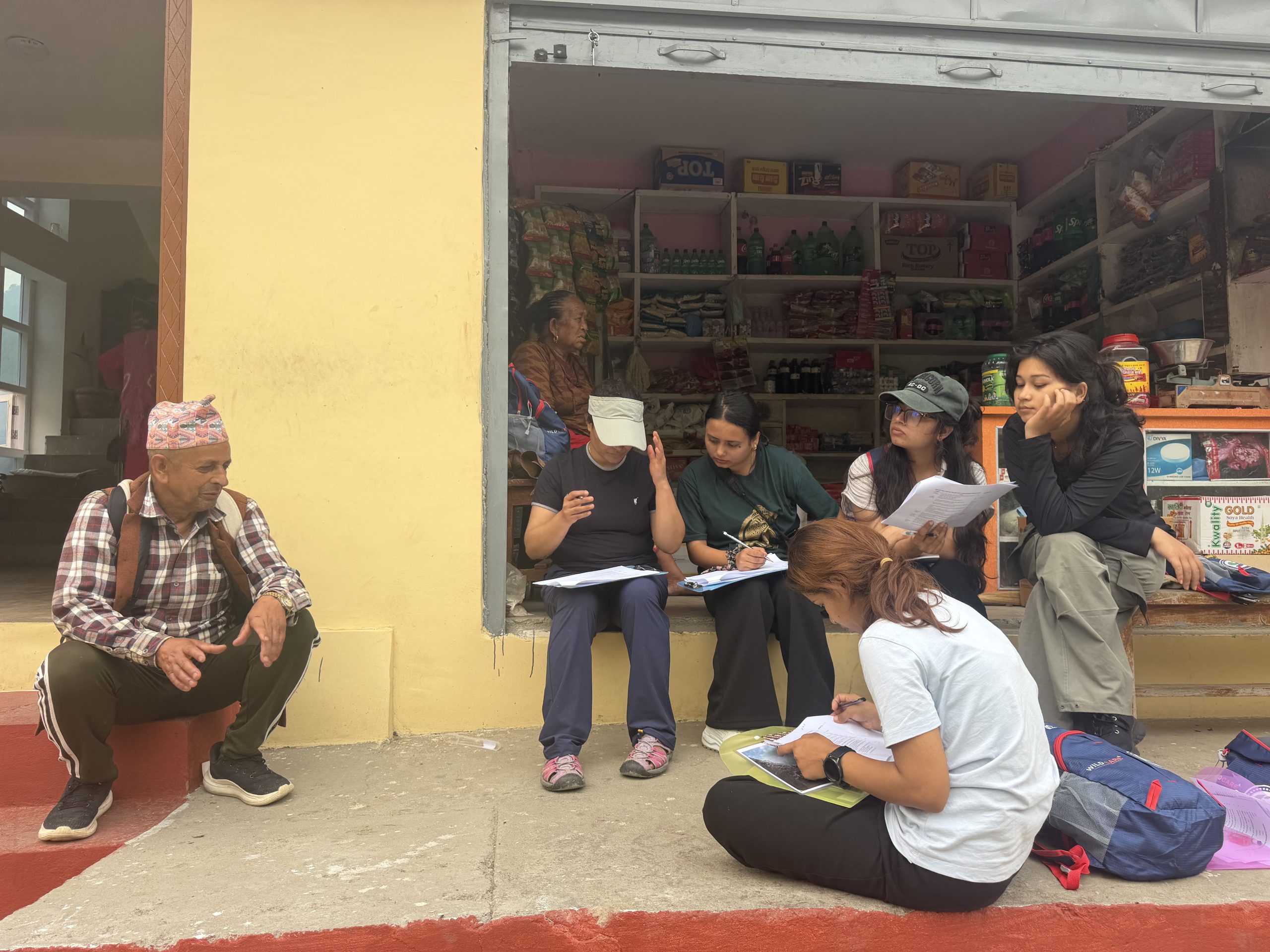
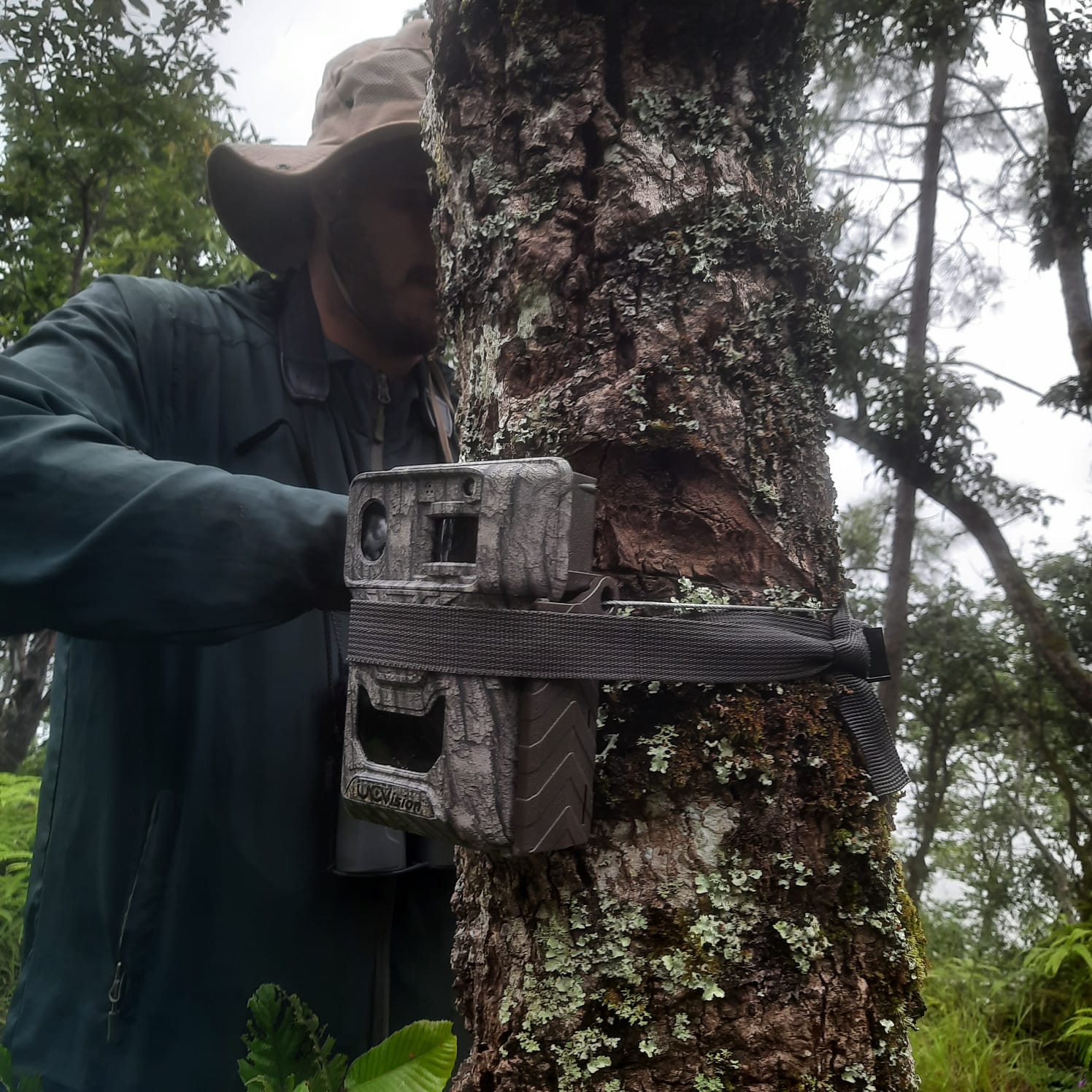
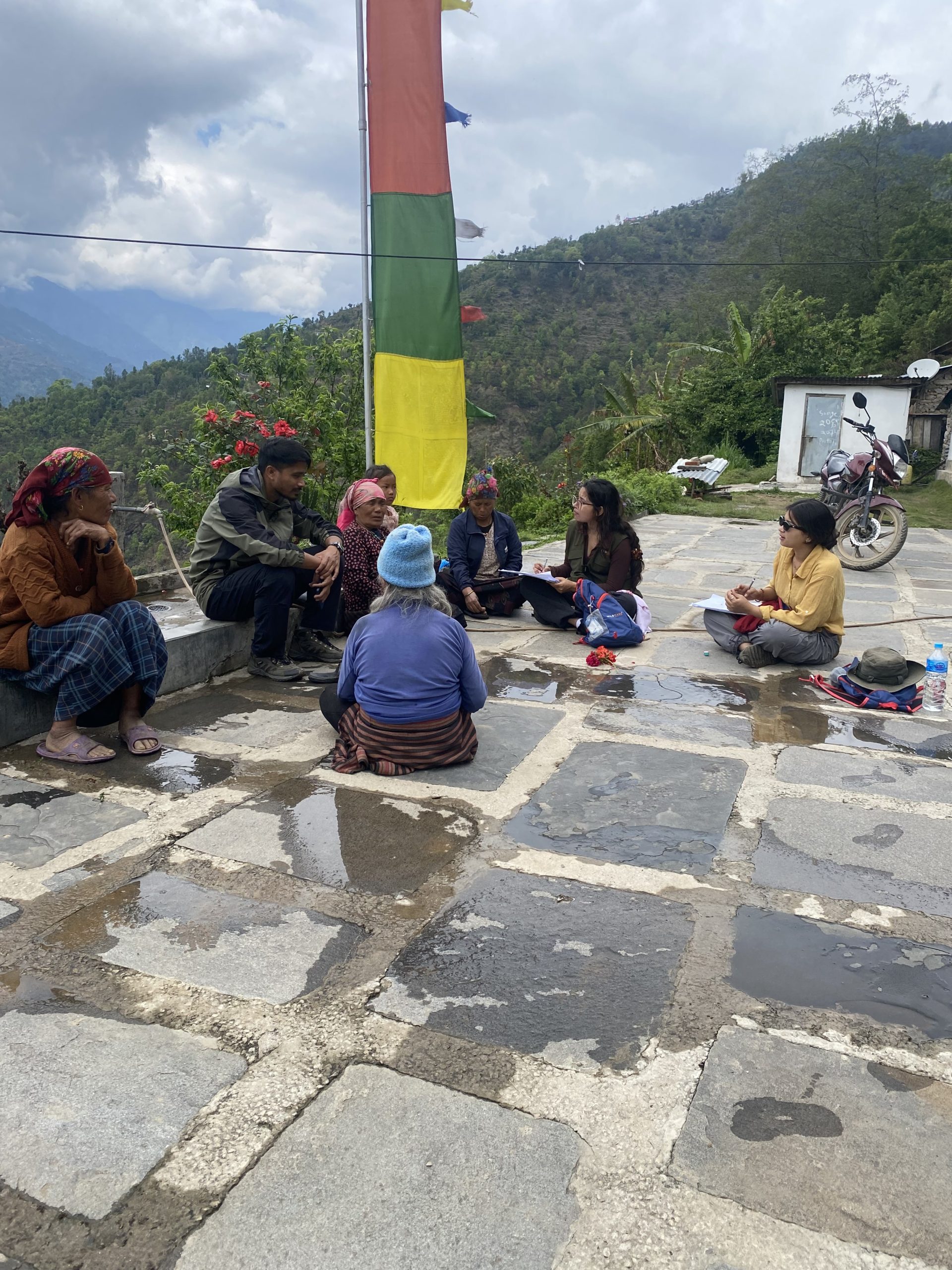
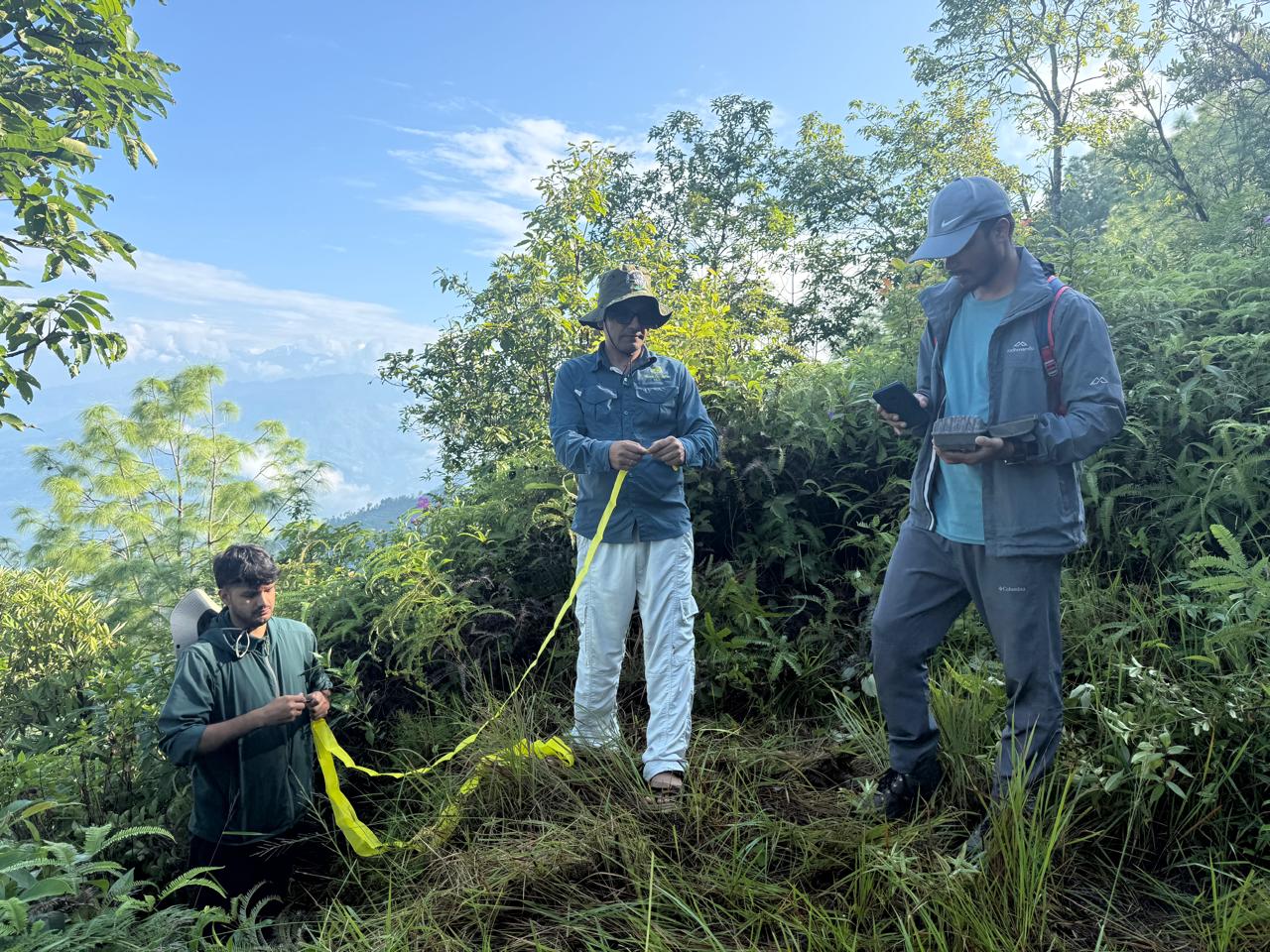
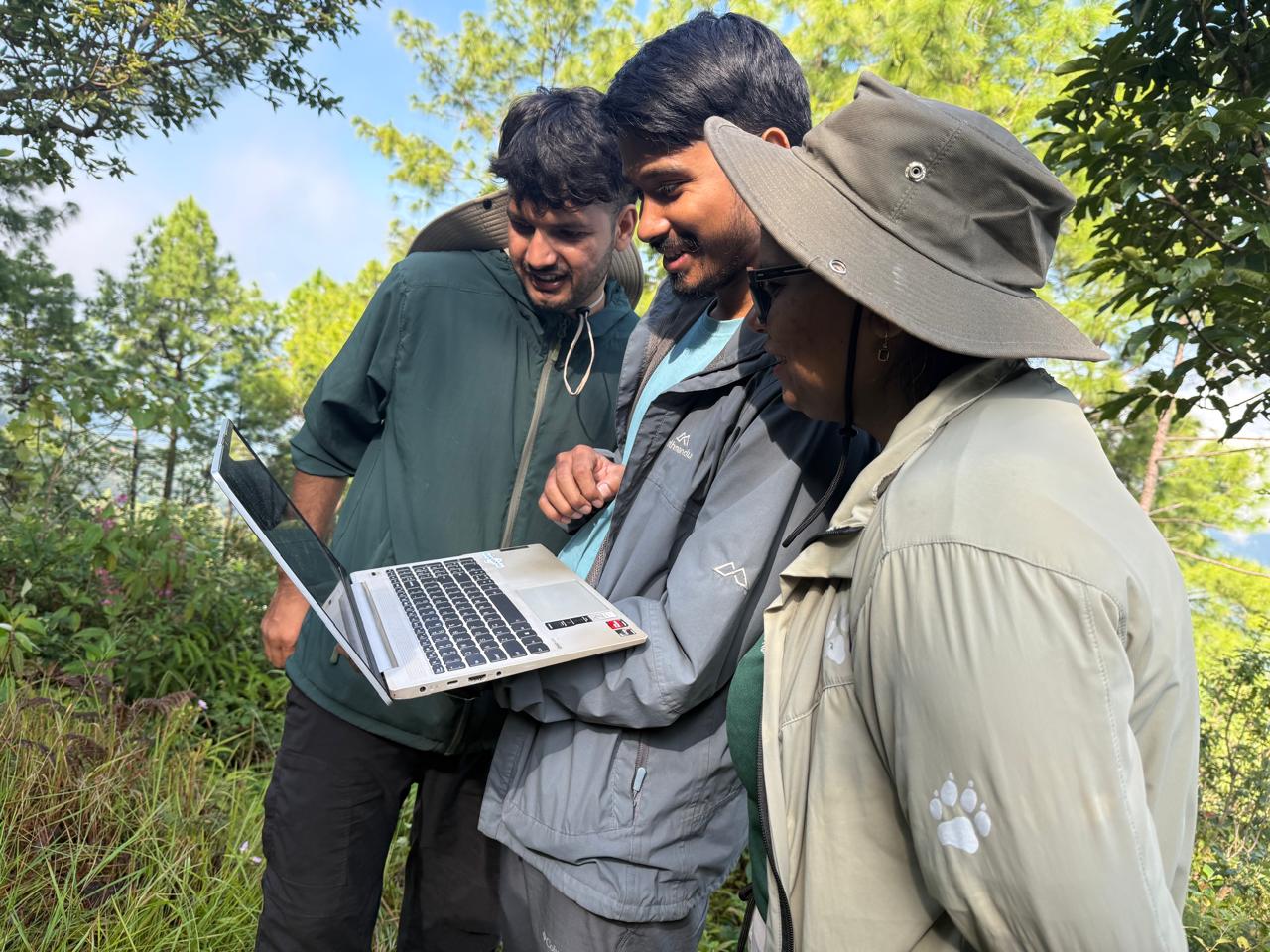
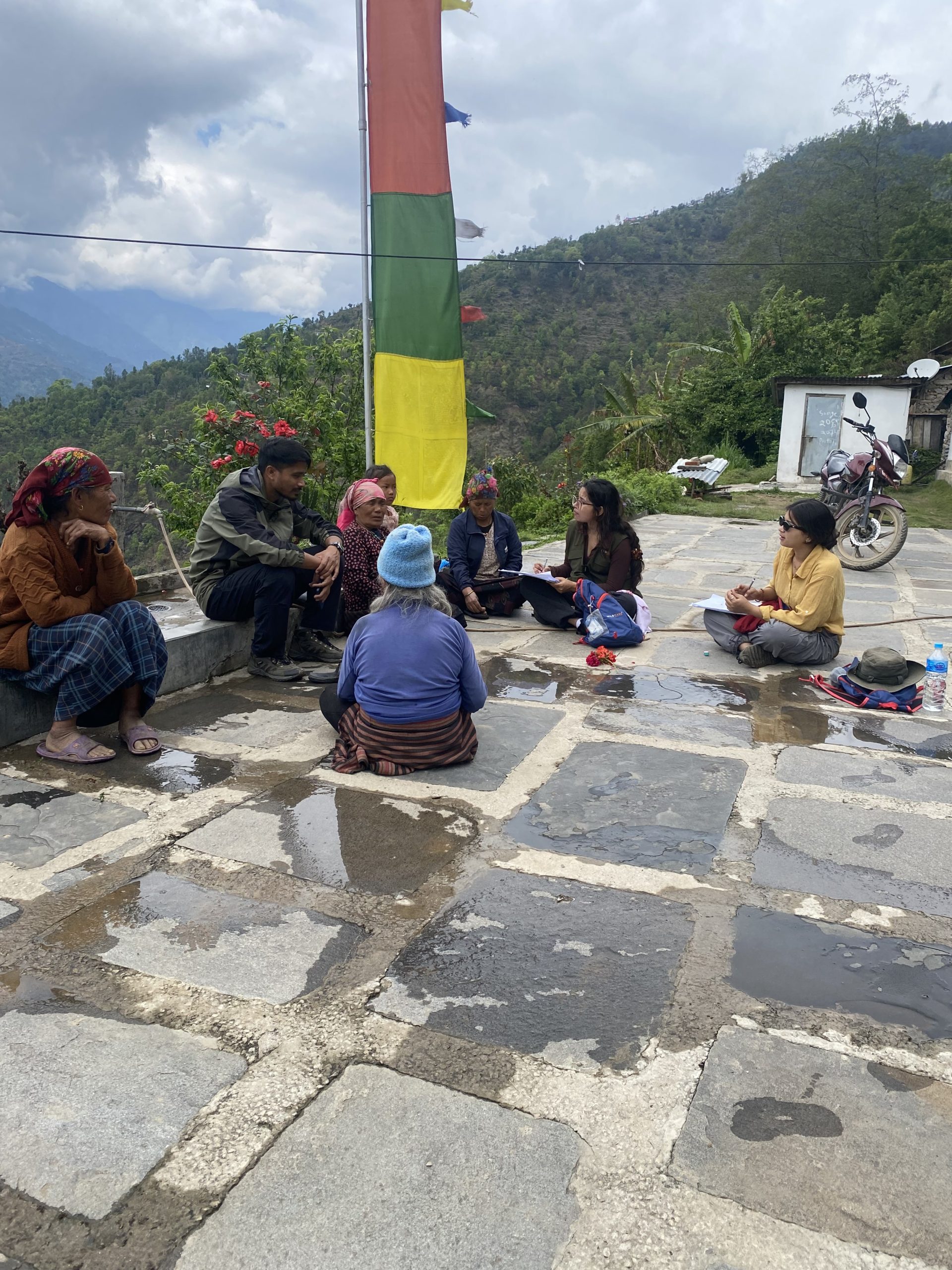
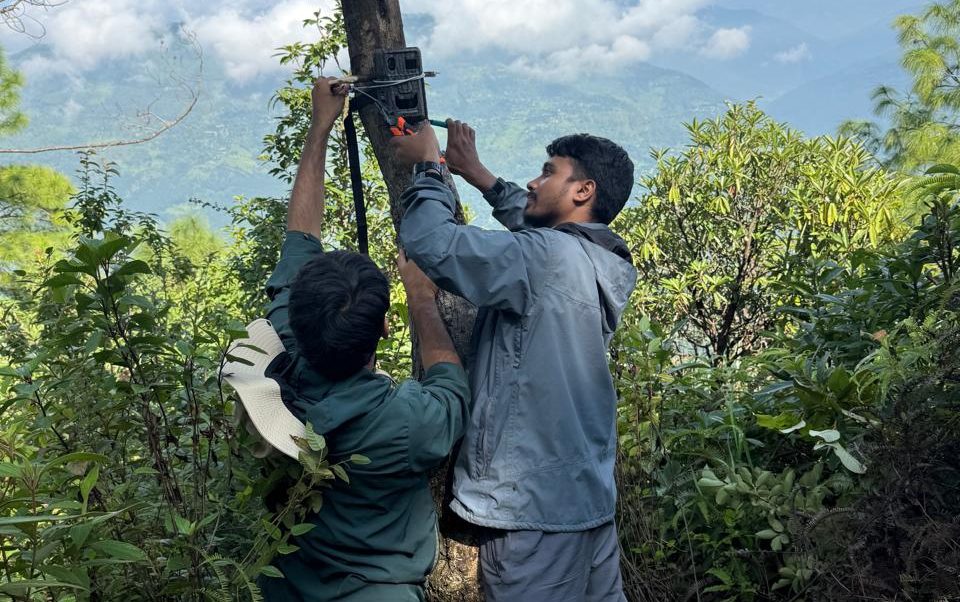
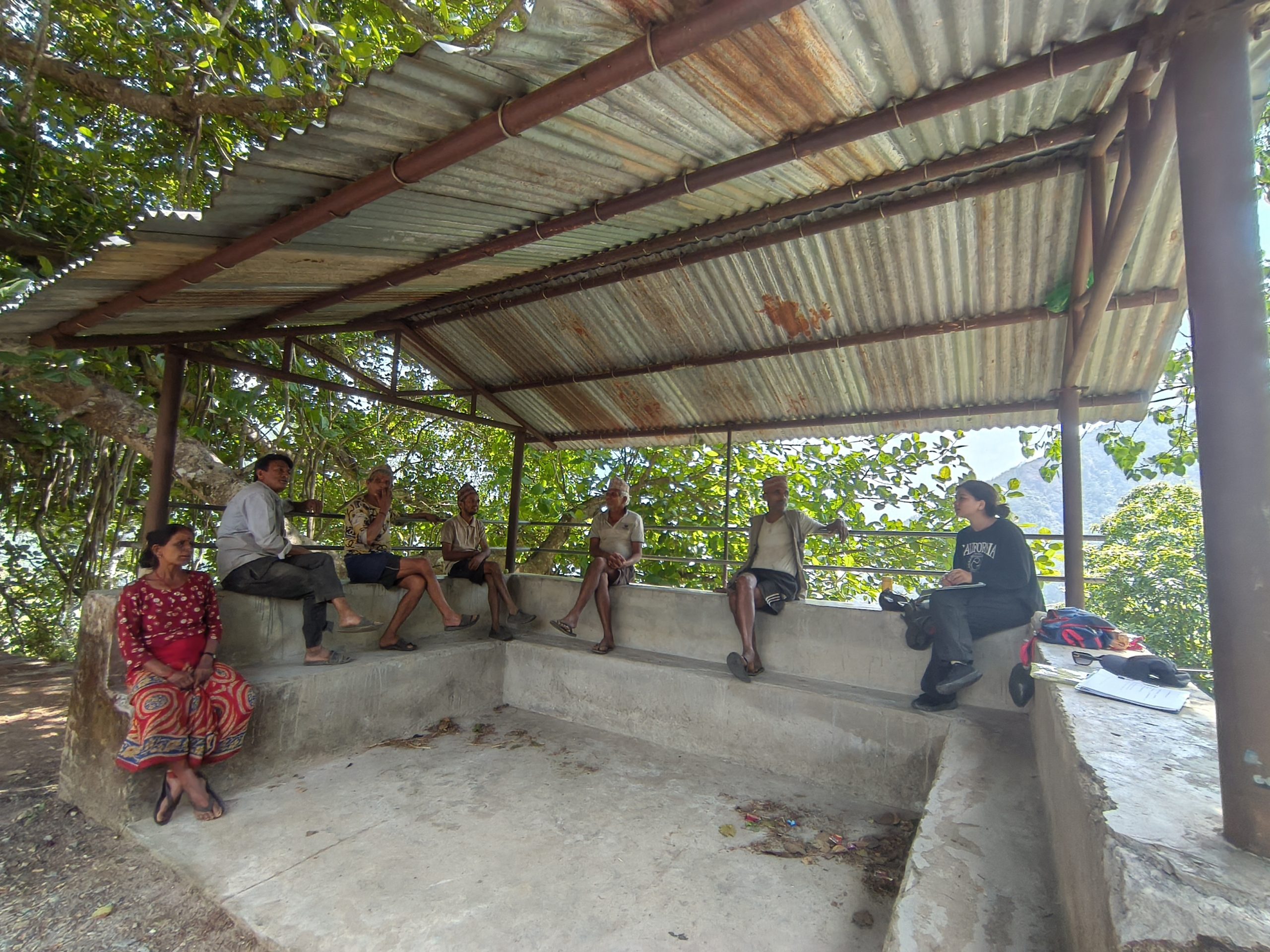
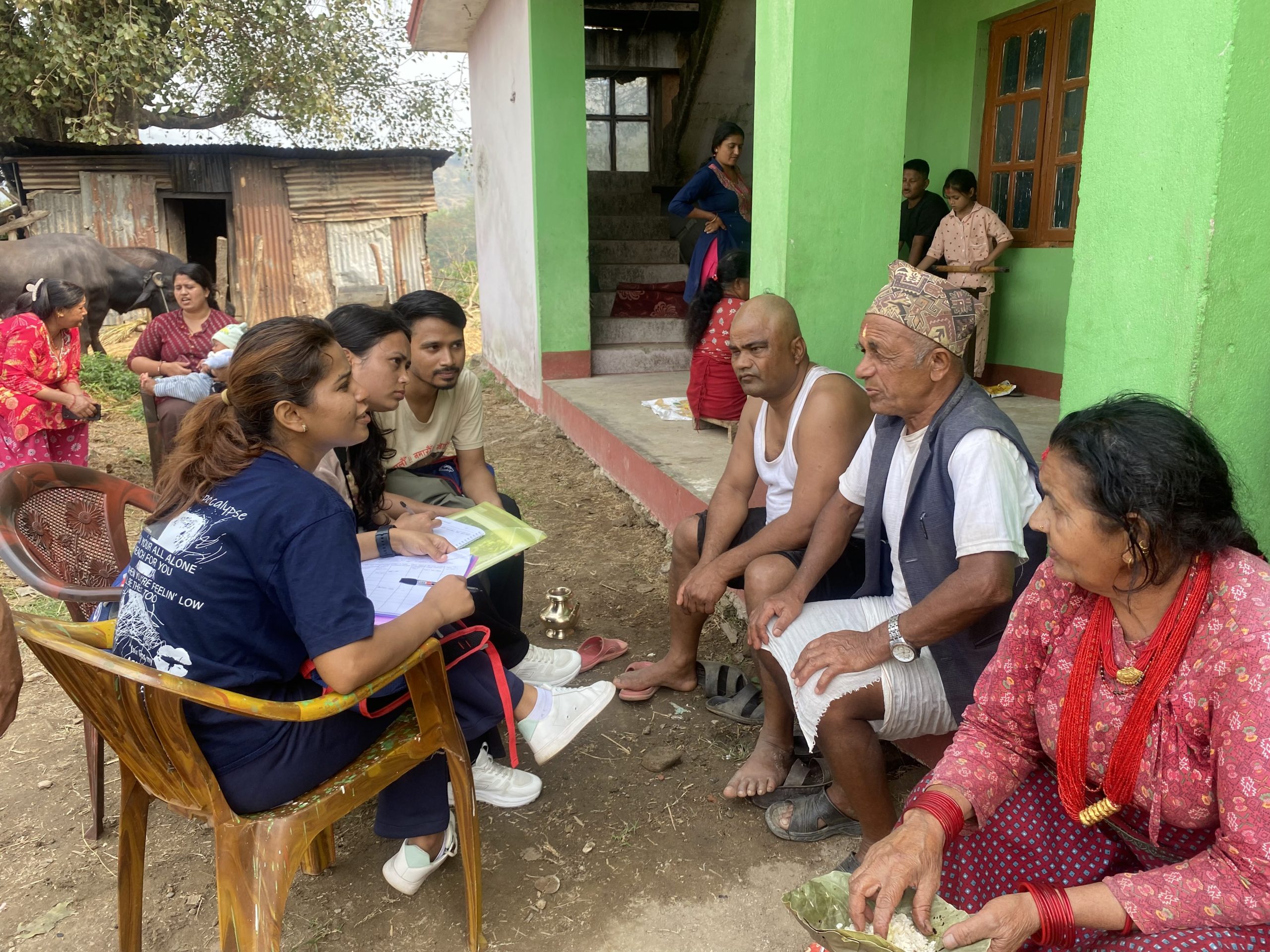
The project examines how land cover change and socio-economic factors influence the range expansion and abundance of rhesus macaques and wild boars across mid-hills of Nepal. It combines wildlife surveys, local ecological knowledge, remote sensing and socio-economic data to build a landscape-level understanding of these patterns.
Objectives
- Understand the range expansion pattern of habitat generalist species.
- Examine the population abundance of habitat generalist species.
- Assess the effect of land use and anthropogenic change on habitat generalist species.